
Elevate Your Cookie Creations with Innovative Techniques and Flavor Combinations
By Yuki Yusupov · · 4 min read
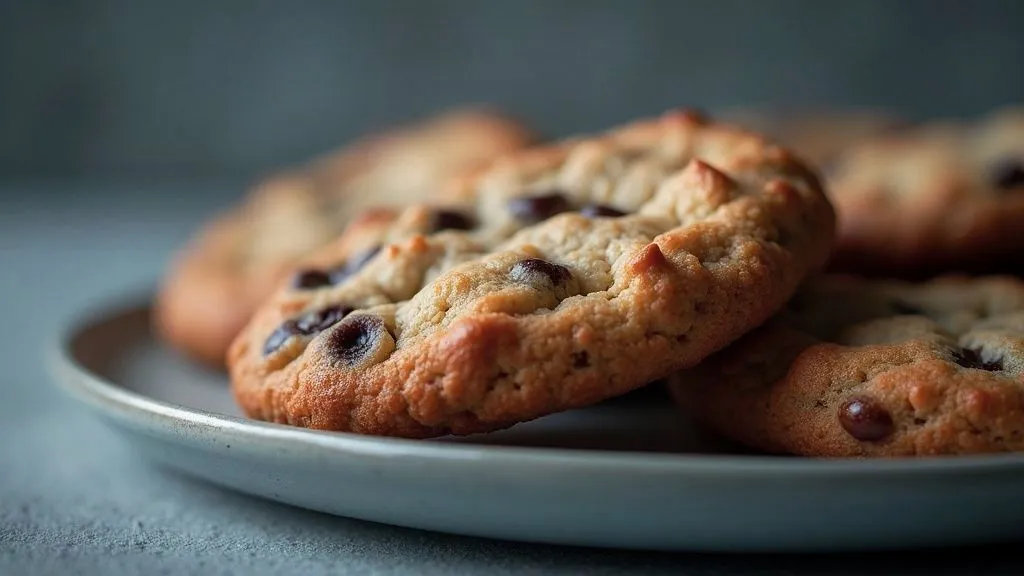
Baking cookies is more than simply mixing flour and sugar; it’s an art that allows for creativity and experimentation. While traditional recipes offer a solid foundation, there are countless ways to elevate your cookie creations into masterpieces. In this article, we’ll explore innovative techniques and unique flavor combinations to help you craft cookies that not only taste delightful but also impress everyone who tries them.
The Science of Perfecting Cookie Texture
To achieve that perfect cookie texture—whether chewy, crispy, or cake-like—it’s essential to understand the science behind baking.
Understanding Ingredients
-
Flour Types: Using different types of flour can change the texture. All-purpose flour is standard, but experimenting with cake flour can yield softer cookies, while bread flour could enhance chewiness due to its higher protein content.
-
Fat Choices: The type of fat used—be it butter, shortening, or oil—affects both flavor and texture. Butter provides a rich flavor and helps create a crispy exterior, while shortening can result in a softer cookie.
-
Sugar Variations: Different sugars contribute varying moisture levels and caramelization. Brown sugar, rich in molasses, adds moisture and a chewy texture. Granulated sugar provides crispness.
Perfecting Your Techniques
The method you use can make a significant difference in your cookie outcomes.
-
Chilling the Dough: This step is often overlooked. Refrigerating the dough for at least 30 minutes allows flavors to meld and results in a firmer texture, preventing cookies from spreading too much while baking.
-
Baking Temperature: Adjusting the baking temperature can help achieve your desired texture. A higher temperature creates a crisp edge, while a lower temperature yields a softer result.
-
Baking Sheets: The surface on which you bake your cookies matters. Dark baking sheets absorb heat, leading to browner, crisper cookies. In contrast, light sheets result in a more uniform bake.
Unique Flavor Combinations to Try
Once you’ve mastered the basics, it’s time to get adventurous. Here are some innovative flavor pairings that will take your cookie game to the next level.
Savory Meets Sweet
-
Herbed Cookies: Incorporating herbs like rosemary or thyme into your cookie dough can create an intriguing flavor profile. For instance, a lemon-rosemary cookie offers a refreshing twist.
-
Cheddar and Chive: For a delightful savory option, try adding shredded sharp cheddar and fresh chives to a traditional cookie base. The result is a unique cookie that pairs perfectly with a cup of tea.
Exotic Spices
-
Cardamom and Ginger: These warm spices can transform a basic cookie into something extraordinary. Try adding ground cardamom and fresh grated ginger to your favorite cookie recipe for a fragrant twist.
-
Chili Chocolate: The heat of chili powder or cayenne pepper combined with rich chocolate creates a cookie with layers of flavor. Start with a pinch and adjust to your heat preference.
Fruity Inspirations
-
Citrus Zest: Adding zest from oranges, lemons, or limes can brighten up your cookie dough. A pop of citrus flavor pairs beautifully with chocolate or nuts.
-
Dried Fruits: Incorporate dried fruits like cranberries, cherries, or apricots for added sweetness and texture. For an interesting combination, try pairing these fruits with nuts or seeds.
Decorative Techniques for Visual Appeal
The presentation of your cookies can enhance the overall experience. Here are some decorative techniques to consider:
Glazes and Drizzles
A simple glaze made from powdered sugar and milk can transform a standard cookie into an eye-catching treat. For a richer touch, consider drizzling melted chocolate over cooled cookies. This can also add an additional layer of flavor.
Unique Shapes and Sizes
Using cookie cutters to create fun shapes can make your baking stand out. Think beyond the classic round cookie; try stars, hearts, or even themed shapes for holidays and special occasions.
Toppings and Garnishes
Sprinkling sea salt on top of chocolate cookies before baking elevates the flavor profile and adds visual appeal. Consider experimenting with toppings like crushed nuts, sprinkles, or even edible glitter for a festive touch.
Troubleshooting Common Baking Issues
Every baker experiences challenges. Here are some common issues and how to resolve them:
Cookies Spreading Too Much
If your cookies spread excessively, try chilling the dough longer or using more flour. This can help keep the cookies thick and chewy rather than flat.
Overbaking
To avoid dry cookies, keep a close eye on them while they bake. Cookies often continue to cook slightly after being removed from the oven due to residual heat.
Uneven Baking
If your cookies bake unevenly, rotate the baking sheets halfway through the baking time. This ensures more uniform exposure to heat.
Conclusion: Embrace Your Baking Journey
Baking cookies is a delightful way to express your creativity and explore new flavors. By understanding the science behind the ingredients and techniques, trying out unique flavor combinations, and focusing on presentation, you can elevate your cookie creations from ordinary to extraordinary. Embrace the journey of experimentation and enjoy the delicious results that come from your kitchen. Happy baking!